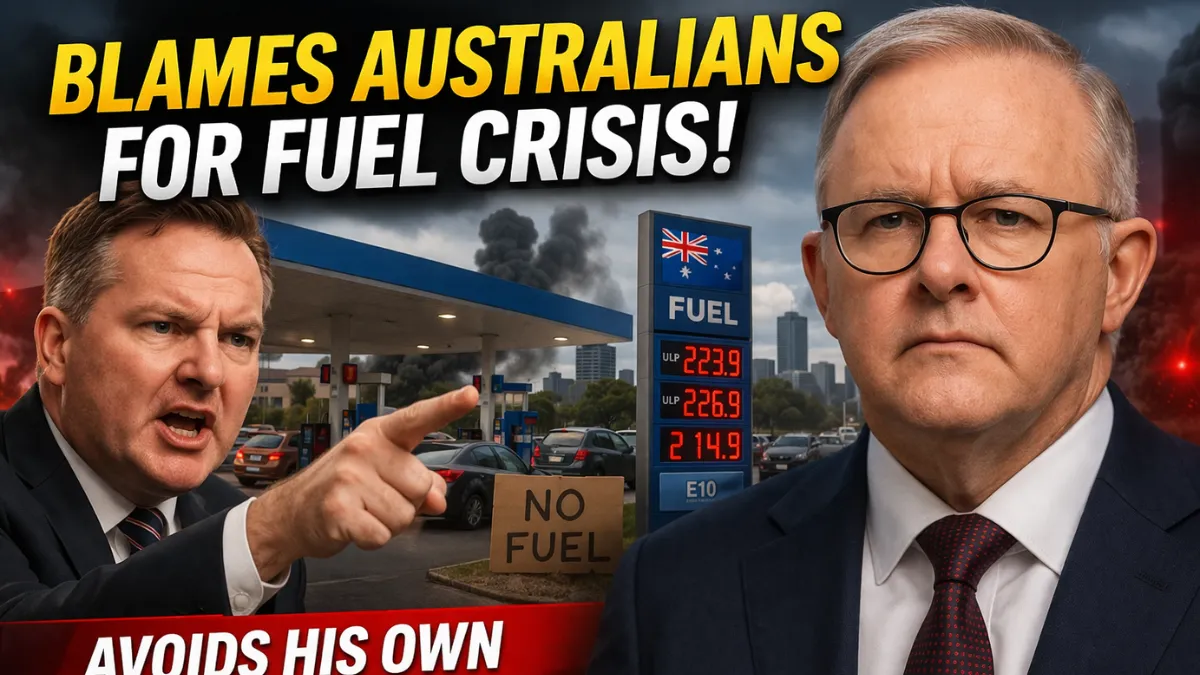
Chris Bowen Faces Fury: Australia’s ongoing fuel crisis has taken a political turn as Treasurer Chris Bowen faces public criticism for remarks suggesting that Australians themselves are partly responsible for rising fuel prices. His comments have sparked outrage, with many citizens and industry experts arguing that the government should take responsibility rather than shifting the blame.
The debate has intensified online and in media outlets, highlighting frustrations over fuel costs and government accountability.
What Chris Bowen Said About the Fuel Crisis
Chris Bowen, in a recent statement, suggested that consumer behavior—such as excessive fuel consumption or certain driving patterns—contributed to the rising petrol and diesel prices. While intended as part of a broader discussion on energy policy and sustainability, the comments were perceived by many as blaming citizens rather than addressing systemic issues.
Critics argue that external factors, such as global oil price fluctuations, supply chain disruptions, and international market pressures, are the primary drivers of the crisis. Citizens and advocacy groups have called for more actionable government interventions instead of placing responsibility on the public.
Public Reaction and Media Coverage
Social media platforms have been flooded with posts criticizing Bowen’s statements. Common reactions include:
- Calls for improved government measures to control fuel prices
- Highlighting the impact on low-income households and essential services
- Criticism of what some see as tone-deaf remarks from political leadership
Industry experts also weigh in, noting that government policies, tax structures, and energy infrastructure play a larger role in fuel pricing than individual consumer choices.
Summary of Public Response
| Reaction Type | Description | Examples |
|---|---|---|
| Social Media Outrage | Criticism and memes | Twitter, Facebook reactions trending |
| Industry Expert Views | Emphasis on systemic issues | Analysts cite oil supply and taxes |
| Public Concerns | Rising cost impact | Families, small businesses affected |
| Political Debate | Opposition responses | Calls for Bowen to take responsibility |
| Suggested Actions | Government intervention | Price regulation, tax relief, strategic reserves |
Frequently Asked Questions (Q&A)
Q1: Why are Australians upset with Chris Bowen?
Many citizens feel he shifted blame onto the public instead of addressing government responsibility for rising fuel prices.
Q2: What factors are actually driving the fuel crisis?
Global oil price fluctuations, supply chain disruptions, fuel taxes, and infrastructure constraints are major contributors.
Q3: Has the government proposed any measures to ease fuel costs?
Various proposals have been discussed, including temporary tax relief and subsidies, but public sentiment is that action is insufficient.
Q4: How has social media reacted?
Social media platforms have seen widespread criticism, memes, and calls for accountability directed at political leadership.
Q5: What can consumers do in response?
Consumers can reduce discretionary fuel usage, monitor government announcements for subsidies, and participate in public consultations or advocacy.
Conclusion: Chris Bowen’s comments blaming Australians for the 2026 fuel crisis have fueled public outrage and political debate. While consumer behavior may play a minor role, the broader systemic issues—global supply, taxes, and infrastructure—remain central. Citizens and experts alike are demanding stronger government accountability and actionable measures to address rising fuel costs.
Disclaimer: This article is for informational purposes only and reflects public reactions and media reports. Statements and opinions in the article are sourced from publicly available sources and social commentary.